



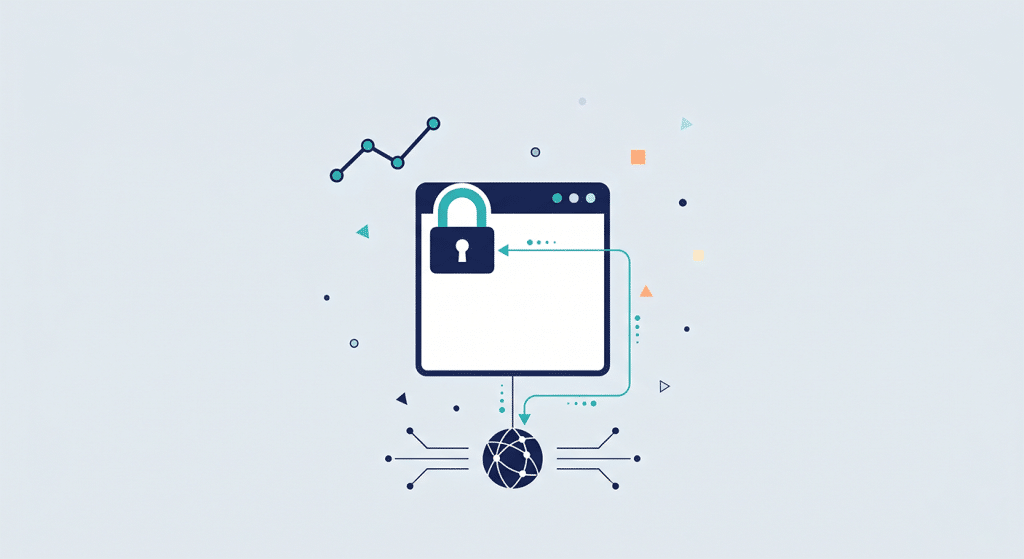
In the vast space that is the Internet, every website seeks to attract visitors while ensuring the security and trustworthiness of their interactions. SSL certificates have emerged as a fundamental pillar in this delicate balance, playing a key role in guaranteeing data security and instilling trust between websites and users through the Secure Sockets Layer (SSL) protocol. This security assurance is not just a technical mechanism: it is also a pact between your organization and your users, ensuring that their browsing and data are handled with the highest degree of confidentiality and integrity.
Every website, from small domains to large-scale platforms, from individual servers to multi-domain infrastructures, relies on SSL certificates to establish and maintain constant assurance for their users. This assurance is vital not only for the user experience, but also for the reputation and reliability of the site. What is an SSL certificate and why has it become essential for securing data and online transactions? Below, we explore every aspect, from how it works to how to acquire, validate, and install it.
Summary
What is an SSL certificate?
An SSL certificate is not just a data file: it is a cryptographic passport, guaranteeing that the cryptographic key is inextricably linked to the relevant information about the organization or individual. Once deployed on a web server, it activates the symbolic padlock and the "https" protocol, thus ensuring secure, encrypted connections between the web server and the browser. An SSL certificate is therefore not just a technology: it is the bridge of trust between the site and the visitor, validating that security is a priority and that data is handled with the utmost care.
What is the purpose of a site's SSL certificate?
In the virtual world where malware, viruses, and ransomware pose a constant threat, an SSL certificate plays a vital role in shielding the security of data flowing between websites and users' browsers. Much more than just a digital shield, it is also a visible symbol of trust and security: the padlock displayed in the browser's address bar is not only an affirmation of security, but also a guarantee of the organization's responsibility towards its users. The SSL certificate thus embodies the promise that all information and data exchanged will remain private and protected, establishing an environment where trust reigns supreme. For an in-depth analysis, see our guide to web hosting security.
What are the different types of SSL certificates?
In cyberspace, users may encounter various types of SSL certificates, each offering different levels of validation and security tailored to different needs.
- Domain Validation (DV) SSL Certificate: the entry level, simple and quick to obtain, it only verifies domain ownership. Ideal for blogs, personal websites, or low-risk projects.
- Organization Validation (OV) SSL Certificate: Offers enhanced security and thorough organization verification, inspiring greater confidence in visitors.
- Extended Validation (EV) SSL Certificate: the highest level of validation, often symbolized by the green address bar in browsers, it is particularly recommended for e-commerce sites and financial institutions.
- Wildcard SSL Certificate: secures a domain and all its subdomains with a single key, providing extensive security coverage under a unified name.
- Multi-domain SSL certificate: allows you to secure several separate domains with a single certificate, particularly suitable for companies managing multiple websites.
Each option meets specific requirements, providing a level of security and trust tailored to the different contours of your website or organization. To compare these options in detail, see our guide to choosing an SSL certificate.
How much does an SSL certificate cost?
Funding online security via SSL certificates is not a monochrome territory. From free solutions to premium offerings, the landscape of SSL certificates is as diverse as the security needs of websites themselves.
What is the average price of an SSL certificate?
Investing in an SSL certificate is a vital consideration for any organization venturing into the world of the web. The price range is wide:
- Domain validation certificates are the most affordable option, with prices ranging from a few euros to a few dozen euros per year.
- The organization's validation certificates fall within an intermediate range, reflecting the more thorough verification they entail.
- Wildcard and multi-domain SSL certificates often come with higher price tags due to their ability to secure multiple domains or subdomains with a single certificate.
- Extended Validation (EV) certificates represent the most significant investment, justified by the maximum level of trust they provide to users and browsers.
Is it possible to get a free SSL certificate?
The answer is a resounding yes. Let’s Encrypt, the non-profit certificate authority, has disrupted the SSL certificate landscape by offering free certificates in pursuit of a more secure internet. While free SSL certificates provide a basic level of security and are extremely useful for small websites or those without financial transactions, they can sometimes be limited in terms of organization validation and customer support.
For websites that handle sensitive data, financial transactions, or those requiring strict organizational authentication, a paid SSL certificate with additional validations and robust technical support is often the preferred route. This not only guarantees security, but also user confidence in the legitimacy and reliability of your site. To learn more about the security options available with your hosting, check out our guide to web hosting.
How to buy an SSL certificate
The quest topurchase an SSL certificate often leads website owners to face a range of choices and technical decisions, all rooted in the ultimate goal of protecting data transmitted between the server and browser.
SSL certificate purchasing platforms
Purchasing platforms play a crucial role in connecting users with certification authorities and simplifying an acquisition process that can sometimes be complex. These platforms, whether specialized or full-service internet solution providers, serve as a hub for acquiring SSL certificates, including wildcard, multi-domain, and extended validation options.
Players such as Sectigo stand out not only for their diverse range of certificates, but also for their technical support, integration assistance, and a variety of options to meet diverse security needs. Whether through generalist platforms or those focused exclusively on online security, these entities remain the pillars of a secure web, making SSL accessible, manageable, and, more crucially, reliable for users and businesses around the world.
SSL certificate purchase in Morocco
The purchase of an SSL certificate in Morocco navigates between local and international options, echoing global concerns about web security and online data authentication. Moroccan businesses and website owners are turning to either local resellers or international platforms, seeking to combine security, cost, and technical support.
In this context, Nindohost stands out as an authorized reseller for many renowned certification authorities such as DigiCert, Comodo, Symantec, GeoTrust, Sectigo, Thawte, and RapidSSL. This local player is proving to be a valuable ally for purchasing SSL certificates, providing a diverse range of security solutions, while ensuring responsive customer support and valuable assistance with SSL integration into web servers. Whether you are looking for a basic SSL certificate or a more complex solution such as a Wildcard or multi-domain certificate, Nindohost guides Moroccan users through the choices and technical implementations, while maintaining a secure and certified approach.
How to choose the right SSL certificate for your website?
Entering the world of SSL certificates involves careful and informed exploration of various security options. Understanding the mechanisms inherent in each option is vital, as SSL certificates act as discreet guardians of your online presence, protecting data and validating the legitimacy of your space in the vastness of the Internet.
How do I choose an SSL certificate?
Selecting an SSL certificate involves skillfully juggling various factors.
- Desired validation level: from simple DV to prestigious EV, each level offers a different degree of verification and trust among users and browsers.
- Type of coverage required: a single domain, multiple subdomains (wildcard), or multiple separate domains (multi-domain)? The structure of your online presence will determine the most suitable type of certificate.
- Available budget: When deciding between domain validation SSL certificates and those offering extended validation, it is essential to weigh up the benefits against the costs and understand the online security issues relating to your website's requirements.
- Nature of the data processed: an e-commerce site or a platform that handles sensitive data (bank details, personal information) will need to opt for a higher level of validation than an informative blog.
How do you choose the right SSL certificate for your needs?
The SSL certificate that best suits your digital needs depends on a comprehensive analysis of your website and its ecosystem. Starting with an assessment of your website's specific characteristics is a crucial step: what types of information are exchanged? What is the volume of transactions if your platform operates in e-commerce? What is the nature of user interaction with your site?
These considerations will guide your decision regarding the level of security required and, by extension, the type of SSL best suited to securing your digital domain. If your budget compass leans toward a more economical solution, a domain validation SSL may be sufficient to maintain a basic security standard. On the other hand, if you handle sensitive data or financial transactions, an extended validation certificate sends a clear message to your visitors that their security and privacy are a priority.
Acquiring an SSL certificate is not simply a matter of making a purchase. It is part of an omnidirectional strategy that encompasses security, user trust, and smooth navigation in cyberspace. Choosing an SSL certificate is therefore a strategic decision that not only strengthens your security infrastructure, but also builds an image of reliability and professionalism among your target audience. To take your online security even further, check out our guide to web hosting security and our comprehensive guide to website creation.
Check out our guides on security and web hosting:
- What is an SSL certificate?
- Price of an SSL certificate: how much does an SSL certificate cost?
- Buying an SSL certificate: how to proceed?
- Choosing an SSL certificate: what type of SSL certificate should you choose?
- DigiCert SSL Certificates: The Trusted Certificate Authority
- Web hosting security: protecting your data
- Web hosting: a practical guide to everything you need to know about hosting providers
- Website creation: a comprehensive guide to creating your website
- Domain names: everything you need to know
Guide updated: February 2026